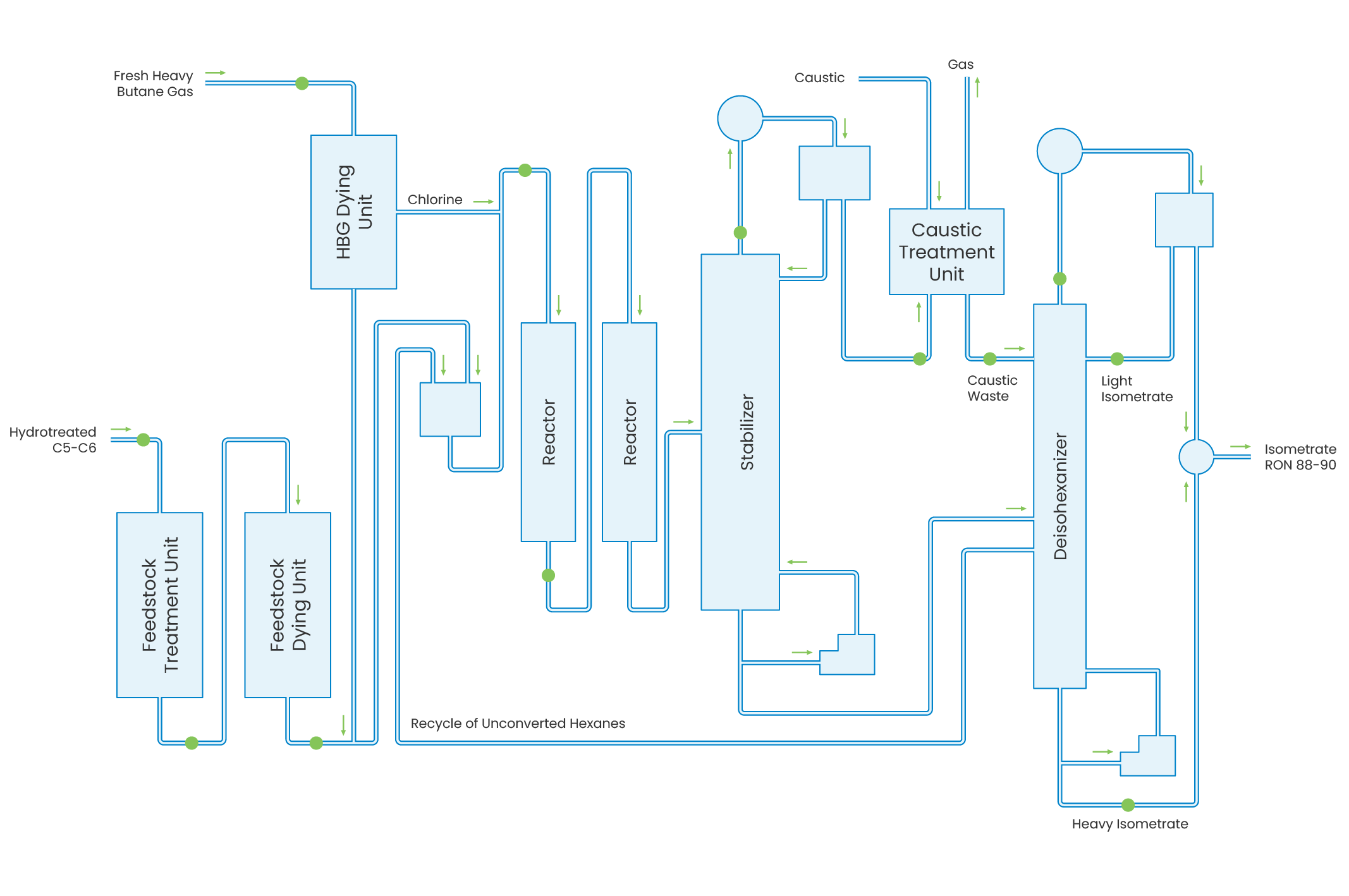
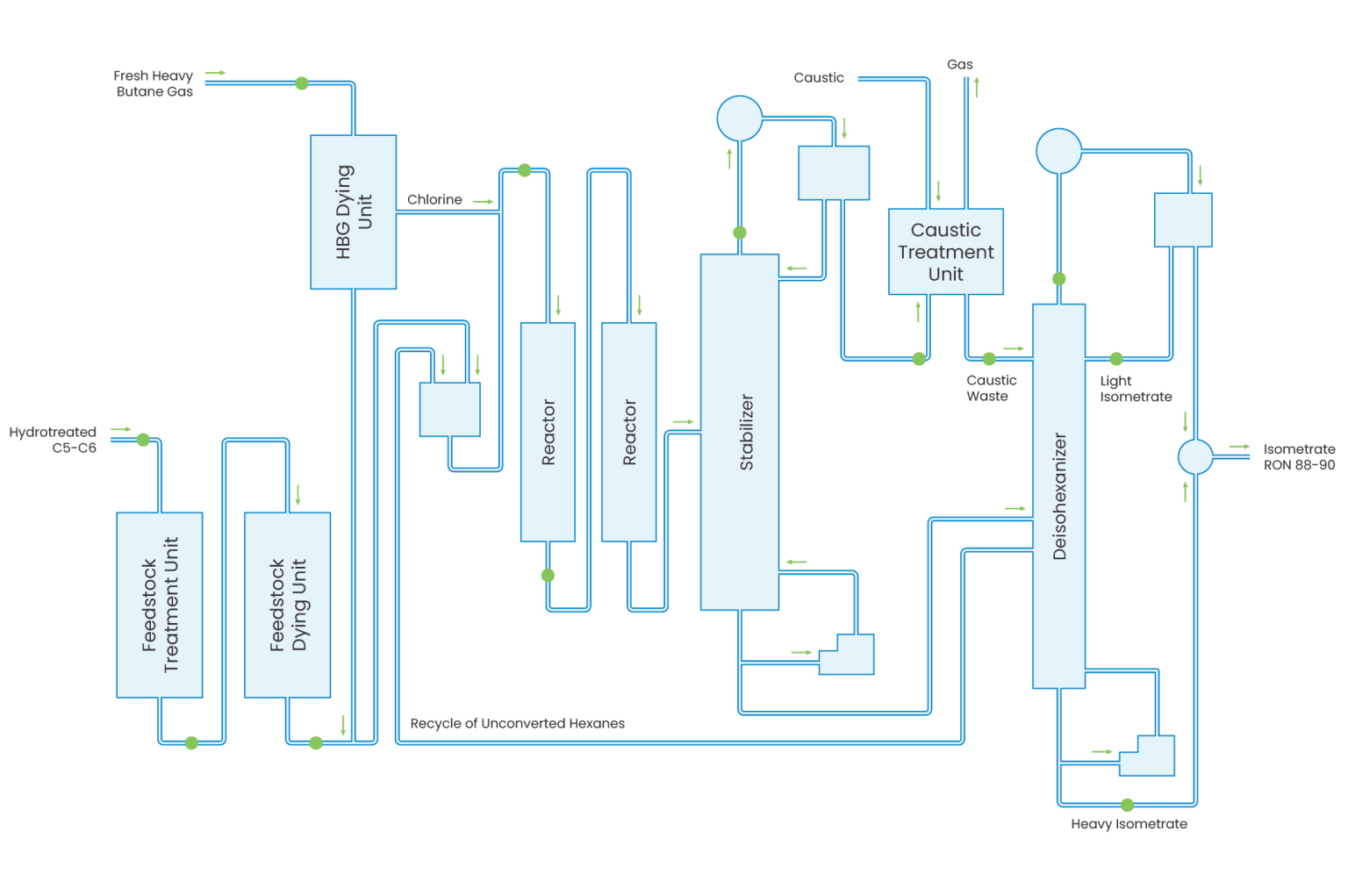
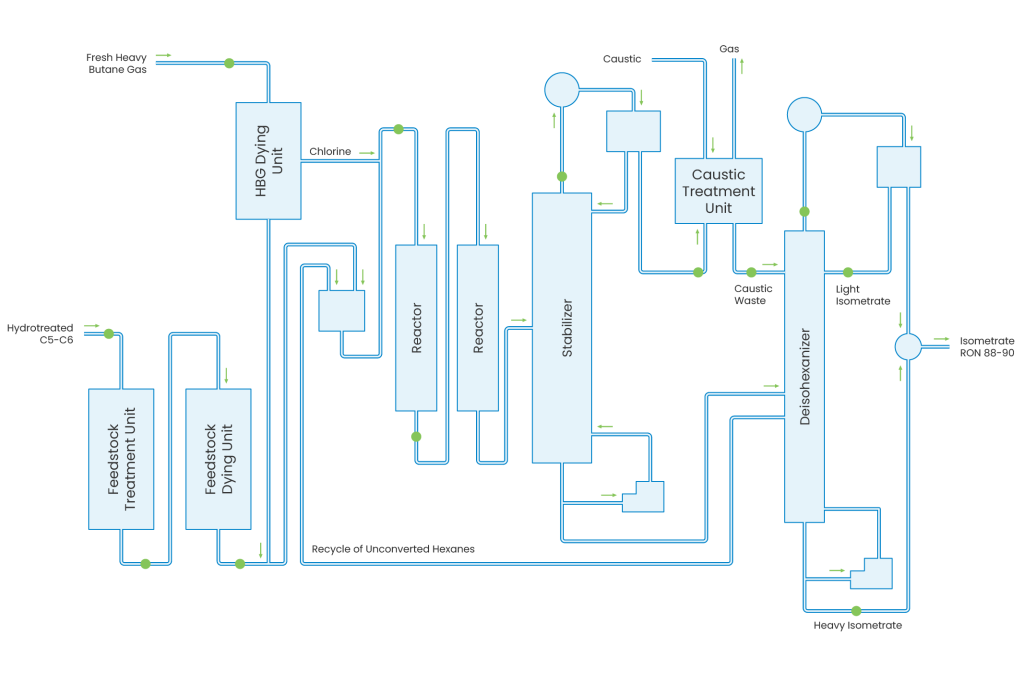
The isomerization process works well for production high-quality gasoline by offering economic interest during the gasoline production with minimizing harmful gas emissions and high octane number. The isomerization process is cost-efficient and plain for the enhancement of octane numbers in analogy to other processes enhancement of the octane. The isomerized light naphtha includes low level of benzene and sulfur, which makes it an ideal mixture component for a gasoline blending process. Light naphtha isomerization unit designing and choosing the operating condition requires a precise reaction mathematical kinetic model to appreciate the product’s composition. In order to improvement gasoline octane numbers, refiners prefer that isomerization of the short-chain paraffin because they are not harmful to the environment pollution
top
Inactive
Tailored analytical solutions
for Southeast Asia’s industries.
Inactive
Solving analytical challenges
in every industry,
every day.